I've been in the MSP trenches since I was 19. What I've learned is that technology doesn't fail because of hardware. It fails because no one built the function that governs it.
Philosophy
Most organizations treat technology as something to manage: a ticket queue, a vendor list, a line item in the budget. That's not alignment. That's triage.
What I do is different. I build the systems that make technology intentional: the processes, the people, the decision frameworks, the feedback loops. The goal isn't to put out fires faster. The goal is to build an organization that's harder to set on fire.
This is what I call technical alignment: not a service you outsource, but a function you build. And like any function worth building, it requires systems thinking, not just technical knowledge.
The same mental model that makes a vCIO program work is what made a realty business and a marketing agency run. The industry changes. The thinking doesn't.
"Technology doesn't fail because of hardware. It fails because no one built the system around it."
"I don't optimize for high-ticket projects. I optimize for client success and what they actually need."
The Framework
Technical alignment isn't a service you buy off a shelf. It's a function that runs on a repeatable process — the same one whether the business is an MSP, a realty office, or a marketing agency. Here's the system underneath the work, and what it produces.
A full technical assessment against industry standards, paired with structured interviews of the people who run the business — POCs and executives — for real context.
Three to ten initiatives per client, each tied to a specific technical need, a business goal, and a risk worth eliminating. Together they form an 18-month foundation.
Every initiative gets the same rigorous write-up: current state, desired state, the step-by-step path, risks and dependencies, an executive summary, a SoW, and a full bill of materials.
A 60-point business-context index — goals, workflows, bottlenecks, budgeting — shapes the phasing around how the business actually runs, with a line of sight to years 2–5.
Reviewed on cadence and adjusted before things break. Documented deeply enough that a client can pause to budget and resume months later without losing a step.
Every initiative is documented end to end, so the roadmap holds its value whether a client acts on it this quarter or next year. The right recommendation isn't always the expensive one — and when it's a no-cost fix, that's exactly what goes on the plan.
The Work
Built the technical alignment service area from the ground up: a TAM + vCIO hybrid function that didn't exist before I started. Defined the methodology, built the team, established the processes. In the first 45 days, a team of 3.5 identified $1M in foundational project opportunities across the client base — work scoped and ready for clients to budget and approve. Today: 40 clients on 18-month technical roadmaps across an initial cohort, with the rest of the book being onboarded behind them.
Department Built from ZeroStarted, built, and ran my own managed service provider for five years. Wore every hat: technical, operational, financial. Closed it not because it failed, but because a better opportunity came along. That distinction matters to me.
Founded & OperatedFive different industries with nothing in common except the same operator running them. A social media marketing agency — content creation, influencer coordination, paid ads, lead generation, product catalogs, giveaways, and event advertising — that I sold going into 2025. Residential real estate. Housekeeping. An RV rental fleet of Class B and Class C motorhomes. An engine carbon-cleaning service. None required IT expertise. All required systems thinking: how do you build a process that works without you being in every decision? Turns out the answer is the same regardless of the industry.
Systems TransferStarted at 19. Grew up in the MSP world before anyone called it an MSP. Have seen this industry from nearly every angle: technician, engineer, owner, department head. The perspective that comes from doing all of it, not just one piece, is what informs how I think about technical alignment as a discipline.
Ground UpField Notes
Systems Thinking
I built an assessment with 110 questions in it. The only complaint was that it takes too long. That's a scheduling problem, not a reason to skip the understanding — and you can't make good long-term decisions for a business you don't understand.
2026
vCIO / Technical Alignment
An engineer sees a server at end of life and reaches for the answer they've been rewarded for their whole career: replace it. But a newer server hosting the same problem doesn't remove a single support ticket. It just resets the clock on the same liability.
2026
vCIO / Technical Alignment
Most vCIOs are measured by the size of the projects they put in front of a client. By that scoreboard, one of the best things I scoped recently was a failure: it cost nothing. That gap is the whole problem with how the role usually works.
2026
Systems Thinking
I used to run three teams of ten engineers. We hit our KPIs. Then the organization shifted and I watched it all fall apart. Not because the people got worse. Because decisions were being made on vibes instead of a framework.
2026
Leadership
Everyone says hire people better than you. The part nobody unpacks is what "better" actually means, because the advice stops making sense the moment you expect it to mean better across the board.
2026
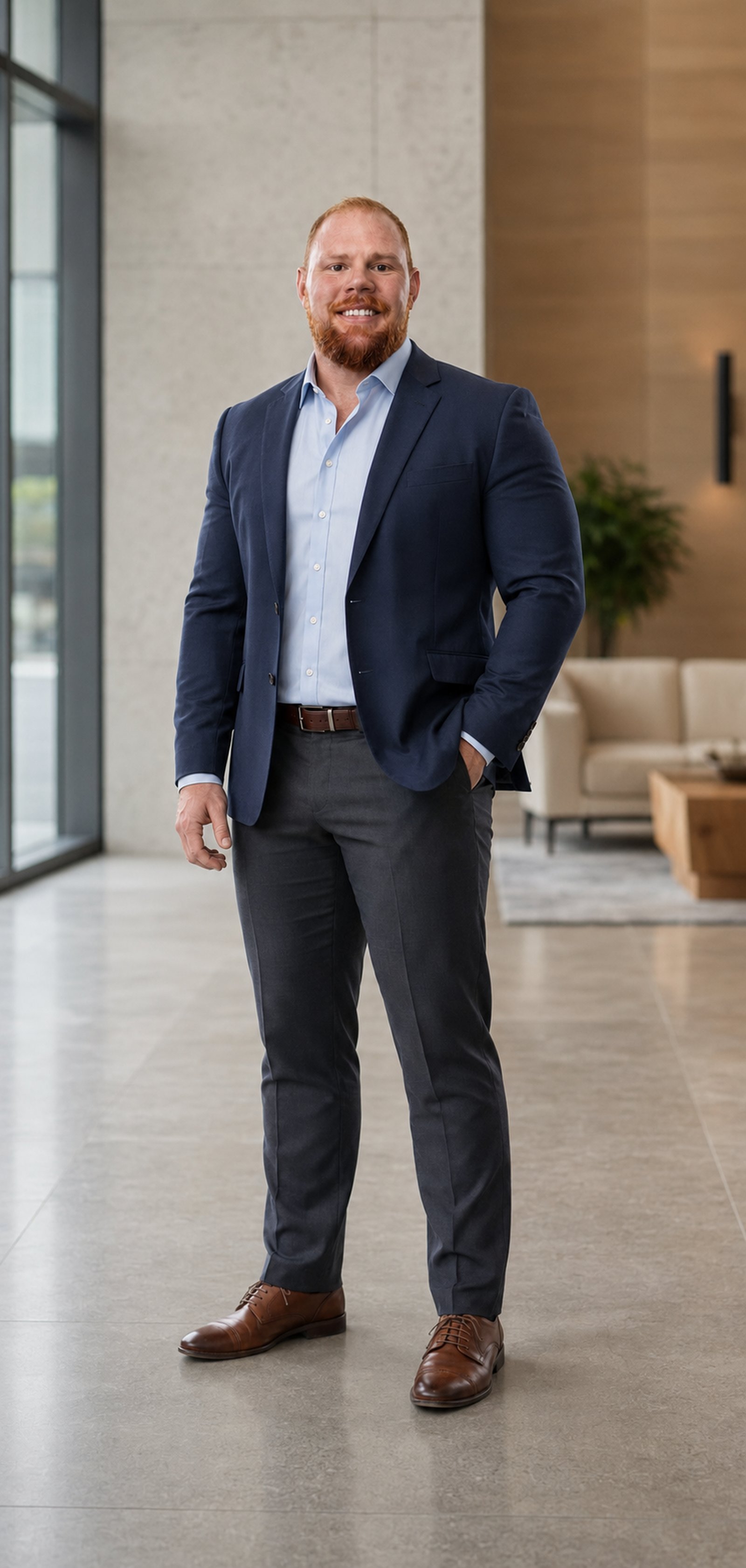
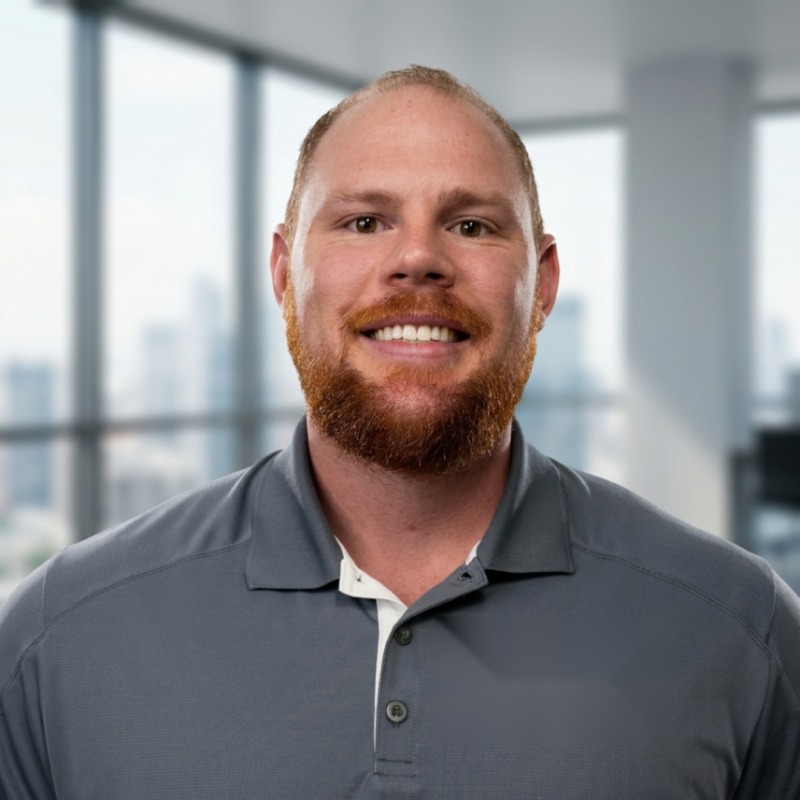
Dallas Pedersen is the Director of Technical Alignment at Executech, where he built Utah's Technical Alignment and vCIO function from the ground up. He's been in the MSP and tech industry since 2011, has owned and operated businesses across IT, social media marketing, real estate, home services, RV rental, and automotive care, and thinks about every one of them the same way: as a system.
Contact
Whether you're thinking about technical alignment, building a vCIO practice, or just want to compare notes on what's actually working. My inbox is low-pressure. I'm currently employed and not shopping myself around, but good conversations are always worth having.